The Hundred Men's 2026 | Match 28
LNS vs BPH Captain Picks: Livingstone First, Ferreira the Riskier Call
London Spirit's marginally stronger recent record and Liam Livingstone's prominent place in the probable XI make him the more defensible captain. Dan Ferreira offers a bolder route for managers willing to back Birmingham Phoenix against the form line.
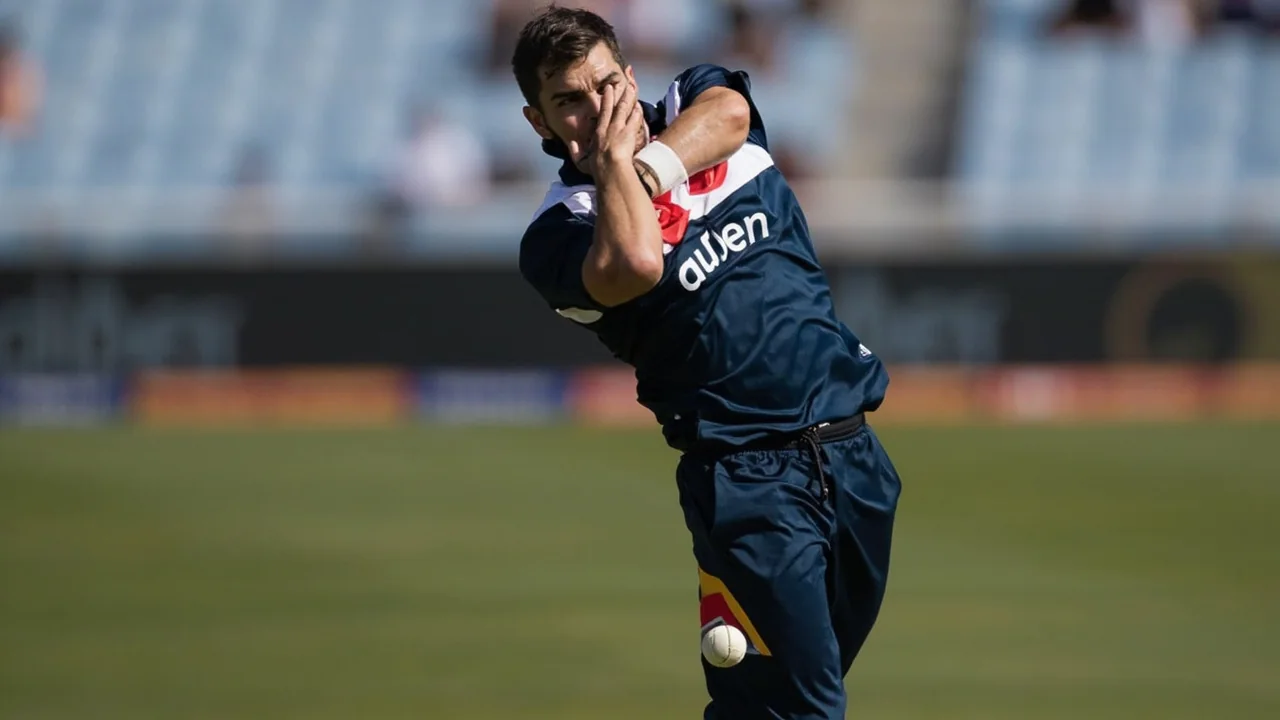
- FixtureLondon Spirit vs Birmingham Phoenix
- Scheduled start9 August 2026, 10:30 PM IST
- VenueLord's Cricket Ground, London
- Source splitLNS 6:5 BPH
CricTracker's pre-match record for Match 28 of The Hundred Men's 2026 placed London Spirit and Birmingham Phoenix at Lord's on Sunday, 9 August, with a scheduled start of 10:30 PM IST. The source supplied probable XIs, recent form, weather, venue guidance and a 6:5 Dream11 split in London's favour. It did not provide a confirmed final XI or a substantive injury update, so every recommendation below belongs to that dated pre-match snapshot rather than a claim about the eventual result.
The central captaincy decision is unusually clear in shape, even if it is not risk-free. Liam Livingstone is named as London Spirit's captain and appears third in the source's probable XI. Dan Ferreira is named as Birmingham Phoenix's captain and appears sixth in their listed side. That ordering does not guarantee a batting position, but it gives a useful distinction: Livingstone sits nearer the front of the published lineup, while Ferreira's route depends more heavily on how Phoenix deploy him.
The captaincy verdict from the available evidence
First captain pick: Liam Livingstone. London Spirit had one win in their previous five matches, compared with five successive defeats for Birmingham Phoenix. Livingstone was also named to lead the Spirit in the probable XI. Those two pieces of evidence make him the steadier selection, not a guaranteed high scorer.
Higher-risk alternative: Dan Ferreira. Ferreira carried the captaincy designation for Phoenix, but the team entered the source snapshot at the bottom of the table with a net run rate of -1.451. Selecting him asks a struggling side to reverse both its recent sequence and the broader balance reflected in the 6:5 fantasy split.
Why Livingstone starts ahead of Ferreira
Recent team form does not decide an individual fantasy score, yet it changes the burden of proof. London Spirit's sequence read L-L-L-W-L. Birmingham Phoenix arrived on L-L-L-L-L. Neither line is strong, but Spirit at least had a recent win to interrupt the losses. Phoenix had no such break in the five-match sample and had managed only one victory from six matches in the campaign described by CricTracker.
Livingstone's captaincy designation also matters because it suggests central responsibility within the selected group. The source lists Jonny Bairstow first as wicketkeeper, followed by Lhuan-dre Pretorius and Livingstone. It would be unsafe to turn that list into a confirmed batting order, but Livingstone's placement is still more reassuring than Ferreira's sixth position in the Phoenix list. A captain pick should not depend on an unverified role assumption when a less speculative option is available.
The choice remains a measured preference rather than a forecast of a specific total. CricTracker did not publish confirmed toss information, a final team sheet or a completed injury bulletin in the accessible report. The responsible reading is therefore narrow: Livingstone has the stronger combination of team context, leadership status and published XI position. Ferreira becomes attractive only when a manager deliberately accepts more uncertainty in pursuit of a less popular outcome.
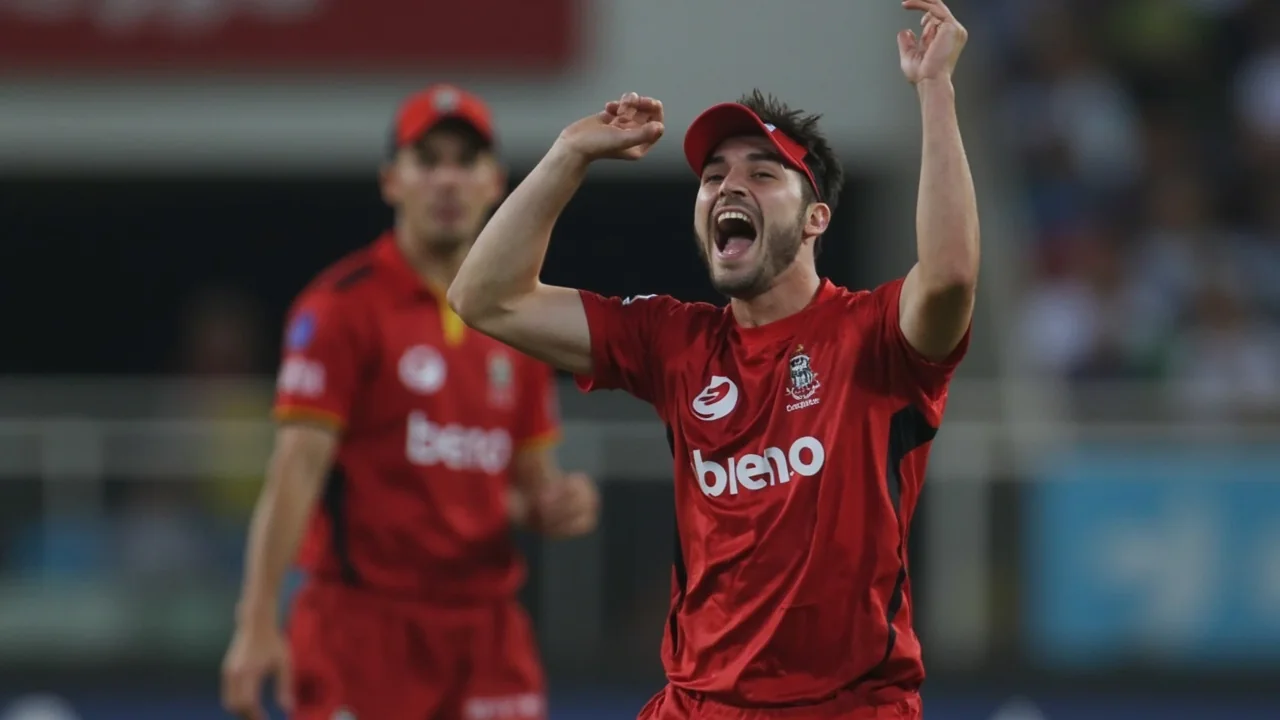
Bairstow is the strongest alternative outside the two captains
Jonny Bairstow provides the clearest alternative if a manager does not want either team captain. The source names him as London Spirit's wicketkeeper and places him first in the probable XI. The wicketkeeping designation is confirmed in the source; any assumption about exactly where he would bat should still wait for the final team sheet. His appeal rests on being attached to the marginally stronger side and occupying a prominent place in the published list.
That makes Bairstow a more evidence-based alternative than reaching deep into either lineup without a stated role. London also includes Lhuan-dre Pretorius, Dewald Brevis, James Coles, Jamie Overton, James Rew, David Willey, Mason Crane, Matthew Fisher and Adam Milne in the probable XI. Several may offer fantasy value, but the source does not provide enough role detail or recent individual statistics to rank them with confidence.
Phoenix's first three listed names are Mitchell Owen, Will Smeed and wicketkeeper Joe Clarke. Rehan Ahmed and Steve Dickson follow before Ferreira. That shape gives managers several possible alternatives, yet the same evidential limit applies. Without confirmed roles, individual form or final availability, a precise ranking would create more certainty than the source supports. Ferreira remains the cleanest Phoenix captaincy argument because his leadership designation is explicit.
The Lord's pitch note rewards patience with the final decision
CricTracker expected the Lord's surface to favour batters early before offering more assistance to bowlers as the innings progressed. That is useful context, but it cannot be converted into a universal rule such as "always captain a top-order batter." Both teams have their own innings, and the report did not include a toss result. The surface note should refine a shortlist after the final order is known, not replace confirmation.
For Livingstone, the pitch description supports the existing case only if his prominent place in the probable XI translates into early involvement. For Ferreira, it increases the importance of knowing when he is used. If the published sixth position reflects his actual deployment, his batting conditions could differ from those faced by players entering earlier. That is a conditional interpretation, not a fact about the final order.
The weather entry was specific but limited: cloudy conditions, 25.5°C and 47% humidity. It did not state a rain probability or predict an interruption. Cloud cover alone is not enough to invent a bowling advantage or reduce expected playing time. Managers should keep those numbers as venue context and avoid extending them beyond what the report actually said.
Probable XIs and the selection questions they create
London Spirit probable XI
Jonny Bairstow (wicketkeeper), Lhuan-dre Pretorius, Liam Livingstone (captain), Dewald Brevis, James Coles, Jamie Overton, James Rew, David Willey, Mason Crane, Matthew Fisher and Adam Milne.
Bench named by the source: Adam Hose, Tymal Mills, Adam Zampa, Henry Crocombe, Kiran Carlson and Andrew Tye.
Birmingham Phoenix probable XI
Mitchell Owen, Will Smeed, Joe Clarke (wicketkeeper), Rehan Ahmed, Steve Dickson, Dan Ferreira (captain), Jordan Thompson, Scott Currie, Tom Helm, Chris Wood and Usman Tariq.
Bench named by the source: Laurie Evans, Jacob Bethell, Ethan Brookes, Mustafizur Rahman, Saqib Mahmood, Matthew Montgomery, Ben Dwarshuis and JJ Weatherley.
The bench lists matter because the injury and availability field contained only a placeholder saying it would be updated once information became available. That is not a clean bill of health. It is an absence of confirmed news. Any late switch from the bench would change the balance of the probable sides and could remove a selected player entirely.
London's bench contains notable alternatives across different types of selection, including Zampa, Mills and Tye, but the report does not say that any of them would enter. Phoenix similarly listed Bethell, Mustafizur, Mahmood and Dwarshuis among a longer bench. Naming those options is useful for final-team monitoring; predicting a particular replacement would go beyond the evidence.

How the 6:5 split should influence a fantasy lineup
The source displayed a Dream11 split of six London Spirit players and five Birmingham Phoenix players. That is a useful expression of a slight lean rather than a declaration that London would dominate. It fits the form evidence: Spirit had one recent win, while Phoenix had lost five in succession and sat bottom with a -1.451 net run rate.
A 6:5 construction also avoids pretending that a struggling team has no viable selections. Phoenix still supplies five places in the source combination. Ferreira can therefore remain a differential captain, and Clarke, Owen or Smeed can remain part of a balanced squad after confirmation. The split asks for one extra London player, not an all-in position against Birmingham.
The most disciplined approach is to separate team balance from multiplier risk. A manager can use the 6:5 lean across the full XI while keeping the captaincy on Livingstone. Moving the multiplier to Ferreira is a second, independent risk decision. Combining a Phoenix-heavy lineup with Ferreira as captain would amplify the same uncertain view twice.
Final checks before accepting either captain pick
- Confirm the final XI. Both teams in the source were probable, and the injury entry had not been completed.
- Check the listed order. Livingstone's and Ferreira's positions in the source are informative, but not confirmed batting slots.
- Use the pitch note conditionally. Early batting assistance and later bowling help matter only alongside innings context.
- Keep the 6:5 lean modest. It supports London by one place without excluding Phoenix players.
- Do not infer rain. The report supplied cloud, temperature and humidity, not an interruption forecast.
Within those limits, Livingstone remains the first captain pick, Bairstow the strongest evidence-led alternative, and Ferreira the deliberate high-variance route. The reasoning is transparent: leadership status, placement in the probable XI, a slightly better recent team record and the source's own London-leaning split. None of those signals guarantees an outcome, but together they form a firmer case than selecting on name recognition alone.
The broader captain picks analysis applies the same principle across fantasy formats: confirm participation first, identify where the opportunity comes from, then decide whether the multiplier belongs on the safer role or the more volatile alternative. For LNS vs BPH, the dated evidence points first to Livingstone. Ferreira is the choice only when the additional uncertainty is intentional.
Source note: Match facts, probable XIs, form, weather, pitch guidance, broadcast details and the 6:5 split were verified from CricTracker's report published on 9 August 2026 at 08:51 IST. The source scheduled Star Sports Network coverage and JioHotstar streaming. Read the original CricTracker report.